Cool Summer vs Soft Summer: Can Cold Season Wear A Warm Color Palette?

Are you wondering what the difference is between cool summer vs soft summer?
This article has all the answers you are looking for!
How to decipher between Cool Summer vs Soft Summer?
The colors for the summer palette type are distinguished by the complexity of the tone and undertone. In this case, the latter one is an absolute “king.”
This unique combination allows for versatile styling options, making the true summer color palette overview essential for anyone looking to enhance their wardrobe.
Emphasizing soft pastels alongside deeper jewel tones can bring out the complexity of one’s features, ultimately achieving an effortless look.
In exploring the nuances of seasonal palettes, it’s important to compare soft summer vs soft autumn colors, as each offers distinct approaches to subtlety and richness.
While soft summer colors lean towards cooler, muted shades, soft autumn colors introduce warmer tones that evoke an earthy warmth.
This comparison not only highlights individual style preferences but also assists in selecting pieces that harmonize beautifully with one’s natural coloring.
The soft summer color palette tips: consider incorporating lightweight fabrics in these shades to create an airy feel during warmer months.
Additionally, layering different tones within the palette can enhance depth and dimension in your outfits.
Experimenting with accessories in complementary hues can also elevate your look, allowing for personal expression while staying true to the soft summer aesthetic.
Understanding the true summer color characteristics is key to curating a wardrobe that reflects your personal style while complementing your natural features.
Integrating subtle patterns and textures can also add interest without overpowering the soft summer palette.
This approach not only enhances your overall look but also ensures versatility, allowing you to transition effortlessly from casual to formal settings.
An essential characteristic of the summer color palette type is a cold skin undertone, whether light or dark.
This is a virtue of the skin to some extent, but it also doesn’t mean that your type should be associated with a Frozen cartoon character.
Another characteristic feature of the summer type is a slightly or non-contrasting appearance.

And although there is such a thing as a contrasting summer, its contrast is still relative.
Therefore, the second selection criterion will be moderate color brightness.
The non-contrasting appearance of the summer has an extensive range of tones flowing into each other.
From gentle pastels to vibrant hues, the landscape is awash with a harmonious blend that evokes a sense of warmth and tranquility.
This vivid display highlights the soft summer color palette differences, where subtle shifts between shades create an impression of serenity.
Each moment in this season showcases nature’s ability to beautifully intertwine light and color, offering a feast for the senses.
As one observes these gentle transitions, a true spring and true summer comparison becomes apparent, revealing the unique charm of each season.
While spring bursts forth with lively energy and fresh blooms, summer envelops the senses in a soothing embrace of mature colors.
Together, they create an enchanting tapestry that celebrates the cyclical beauty of nature.
This gives the depth of color perception and an “exotic” appearance. Complex and multifaceted palettes must emphasize this quality.
What does a representative of the summer color type look like:
Hair: cold shade. It can be blond, with all light brown undertones: light to dark, or chestnut color.
But what unites them is a cold, ashy undertone.
Eyebrows and eyelashes are gray, often lighter than the rest of the hair on the head.
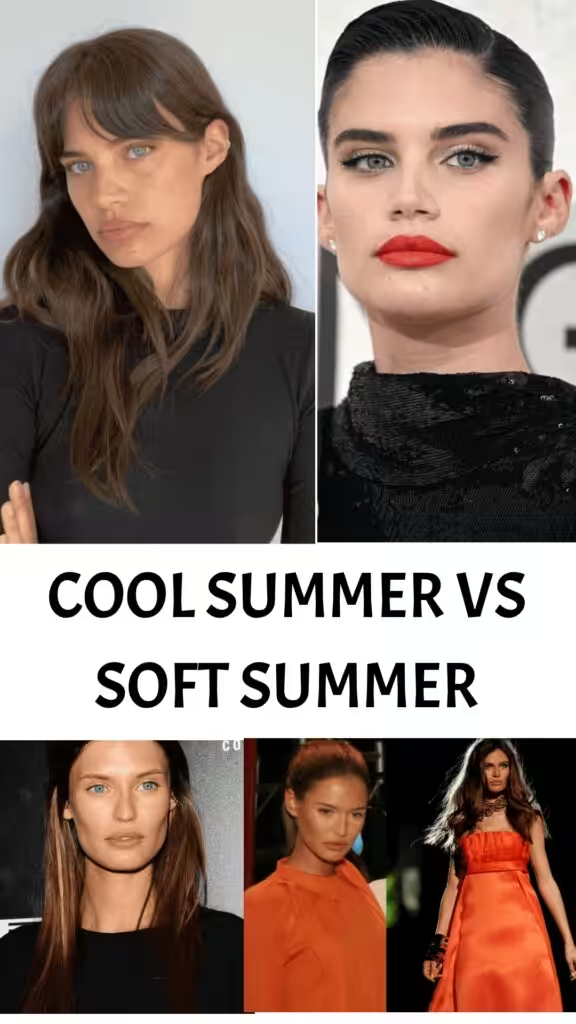
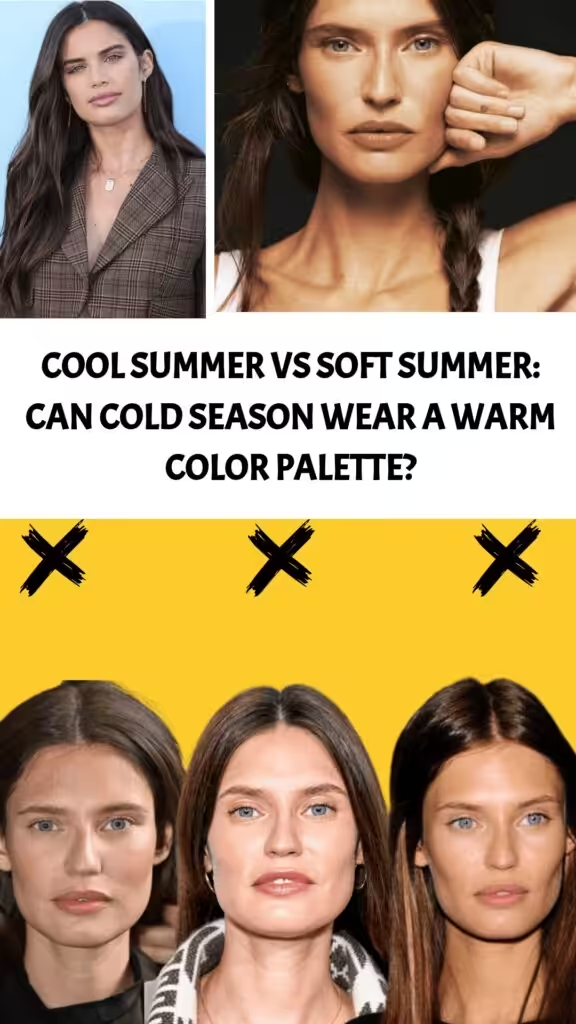
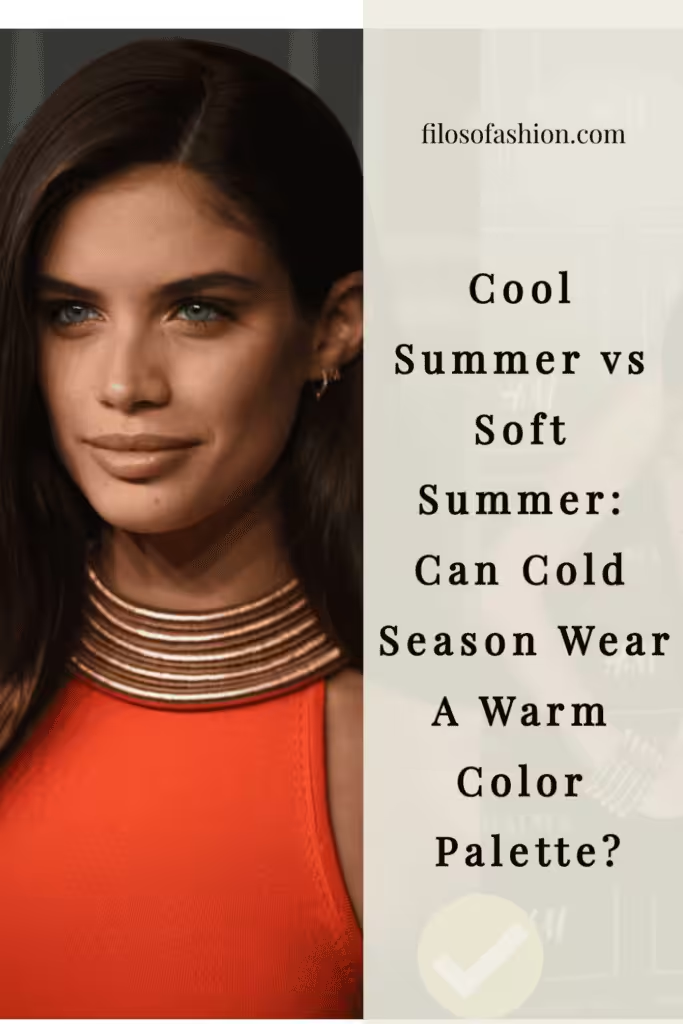
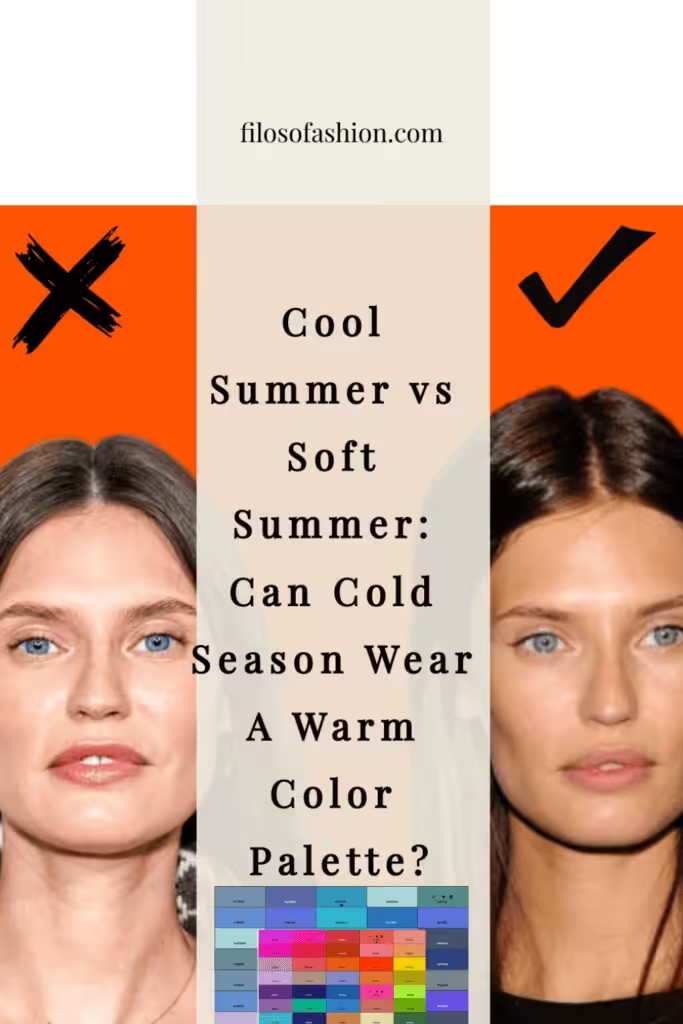
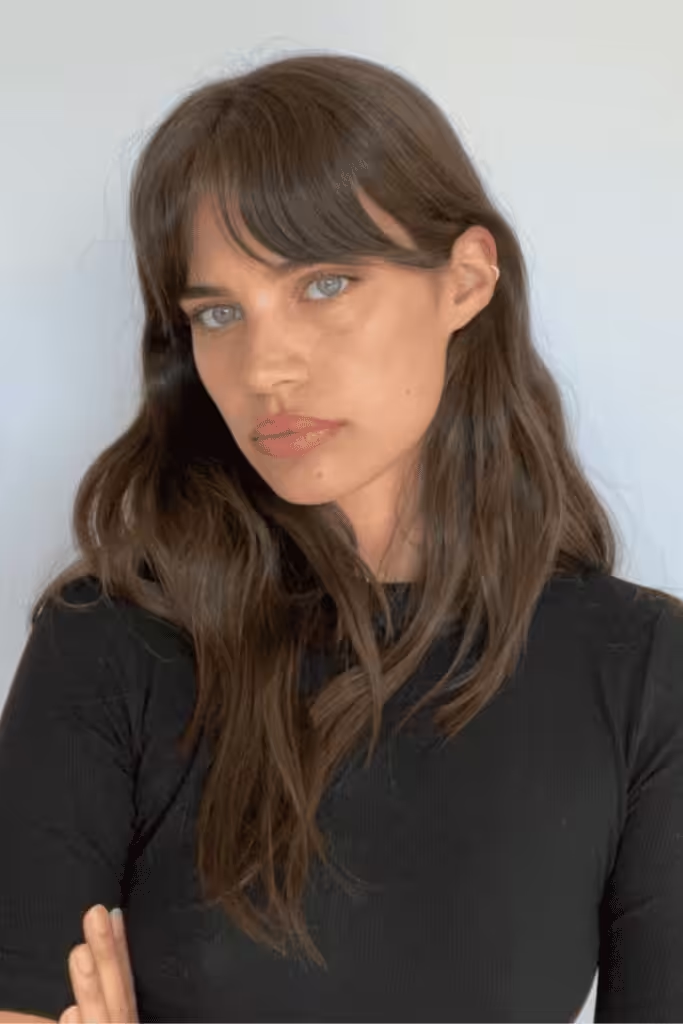
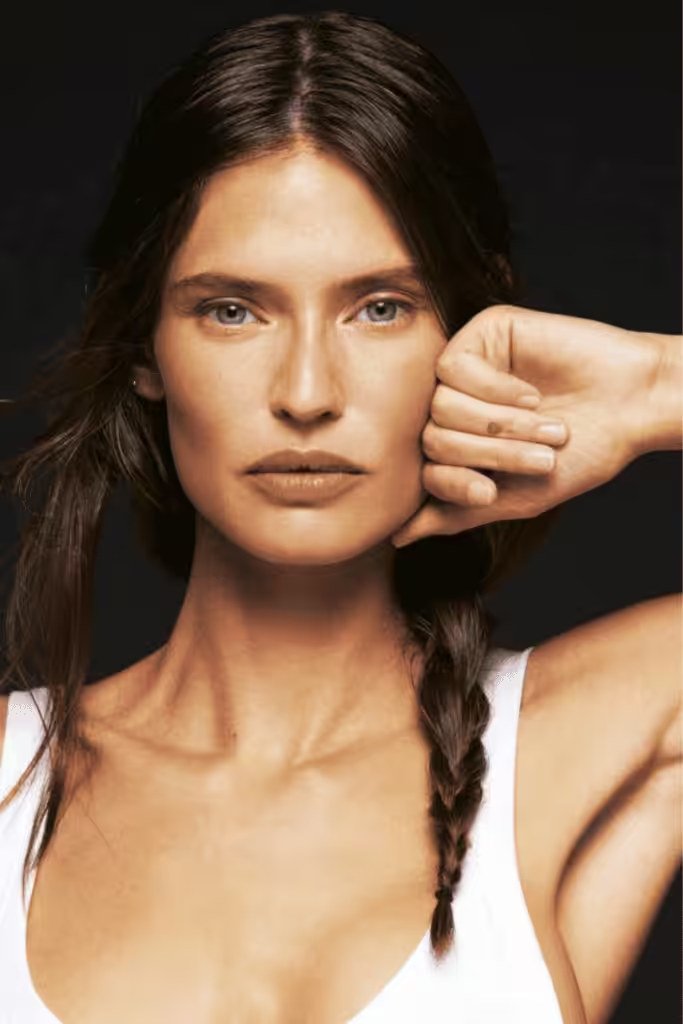
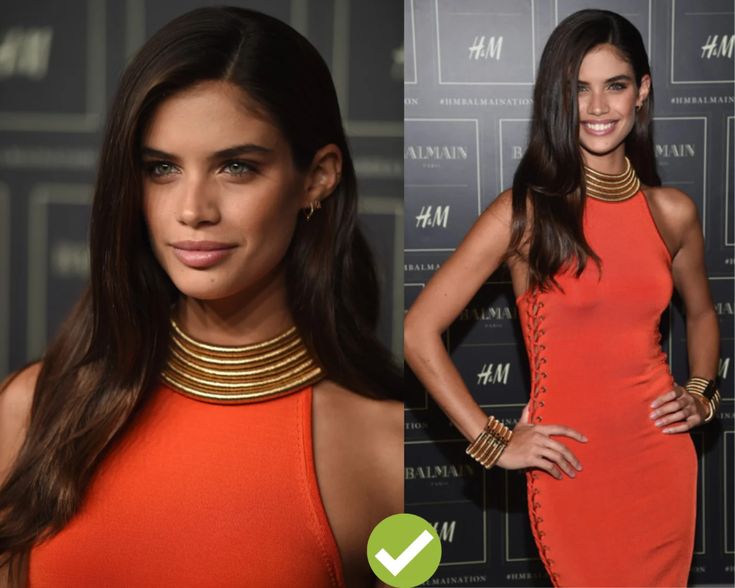
Bianca Balti as a Cool Summer and Sara Sampaio as a Soft Summer type representatives.
Eyes: calm shades, dim. There is no clear contrast between the iris and proteins. The palette is light, with halftones.
Representatives of the summer color type often have blue-green eyes. There are blurry blue, blue-gray, and green-brown shades.
But the undertone is always cold. Gray blotches are traced, and there may be a brown edging on the iris.
Skin: Cold pinkish or olive undertones. Representatives have aristocratic pallor and pinkish-red, olive skin.
The face cannot be honey-yellow, and freckles and birthmarks are gray or cold brown.
The blush on the face is often absent after frost, and pale pink spots appear.
Tan goes really well, but quickly washes off.
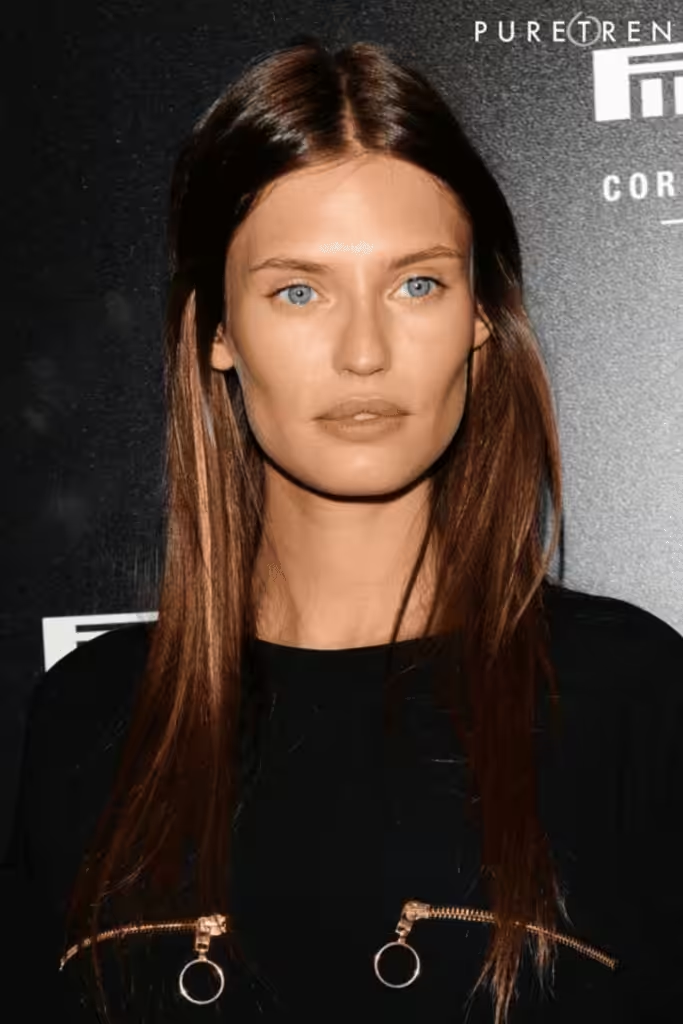
Natural cool summer color type
The representatives of the subtype are women with a rather porcelain skin tone.
There is a slight olive-pink undertone with light blonde ash or cold blonde.
The iris of the eye is green or blue. The lips of girls of the natural summer color type are pinkish-scarlet.
Italian top model Bianca Balti represents a cool summer.
Cool summer color type
The name of the Cool Summer color type speaks for itself.
Unlike Light Summer, which has gentle, romantic shades, it is dominated by a calm, restrained palette of colors.
The colors harmonize beautifully, making it easy to mix and match pieces for versatile outfit choices.
In contrast, the true summer color palette overview presents a spectrum that balances soft, cool tones with elegant, understated shades.
This palette allows wearers to create outfits that flow seamlessly from day to night, embodying a sense of effortless chic.
By incorporating these colors, one can easily achieve a refined yet approachable wardrobe that reflects personal style.
These harmonious color combinations can inspire numerous summer clothing color ideas that elevate any wardrobe.
By integrating lighter fabrics and playful accessories, individuals can enhance their looks while staying true to their chosen palette.
These colors not only enhance personal style but also foster confidence in one’s appearance.
Stylists explain that it is necessary to choose colors based on associations with mountain landscapes, clear water them and the freshness of the forest after rainy weather.
At first, this approach may seem complicated, but in fact, everything is simple: in the palette of colors of the Cool Summer color type, the main element is the blue pigment.
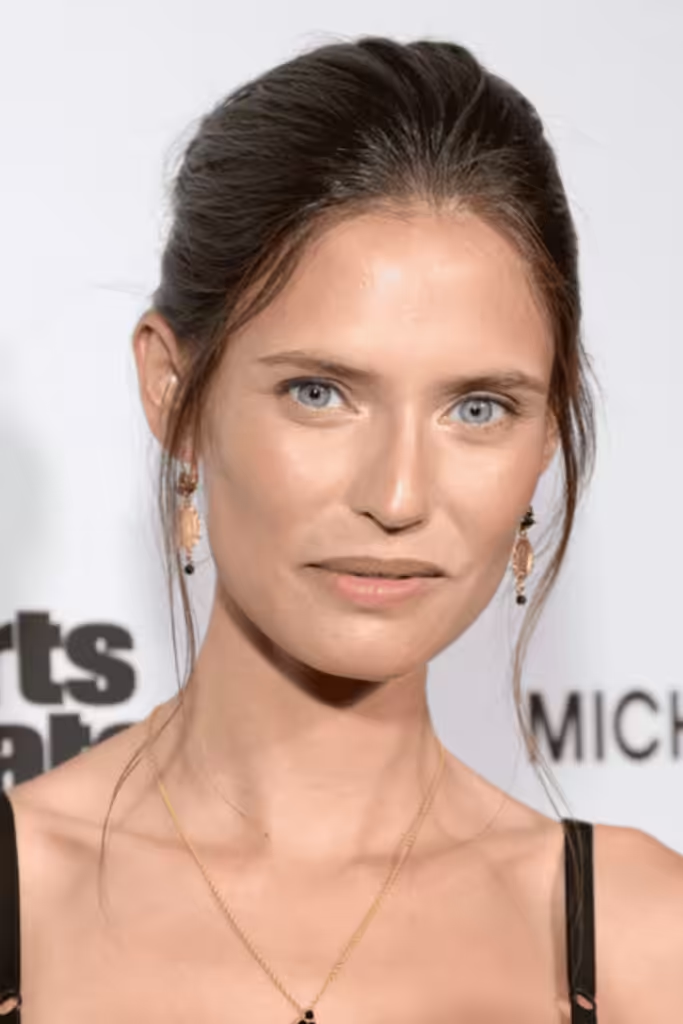
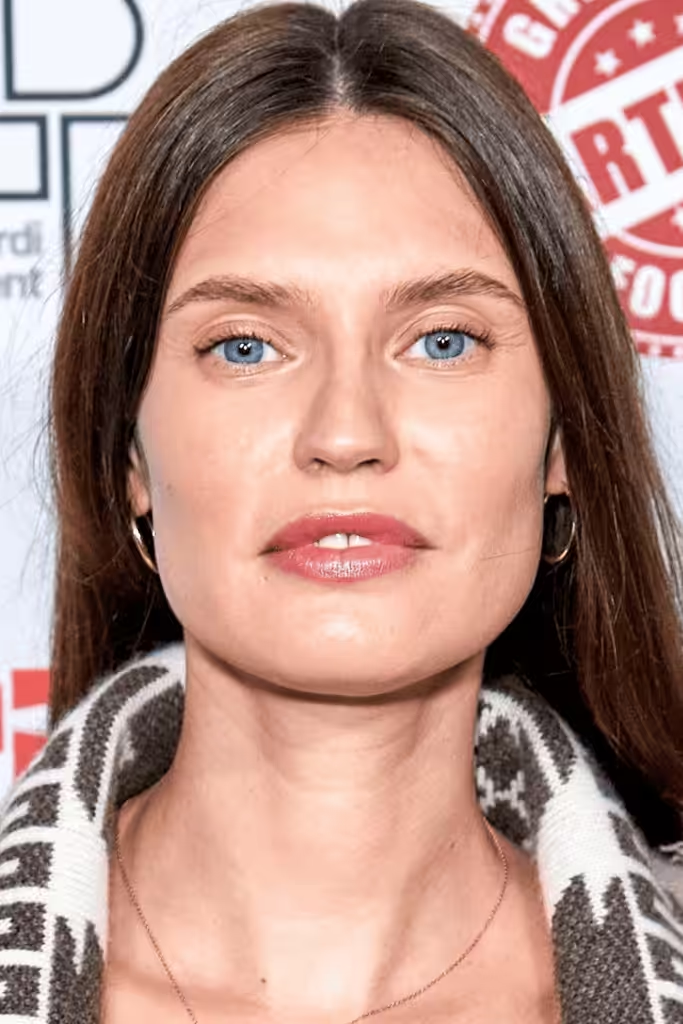
Also, natural beauty can be emphasized with the help of such shades:
- turquoise;
- blue;
- grey;
- green;
- light green;
- beige.
Soft Summer Color Type
The image of such an appearance is as if shrouded in a light haze, which gives it its charm.
This feature of appearance is visible in the Soft Summer color type.
The colors of this image are soft, that is, muted, moderate.
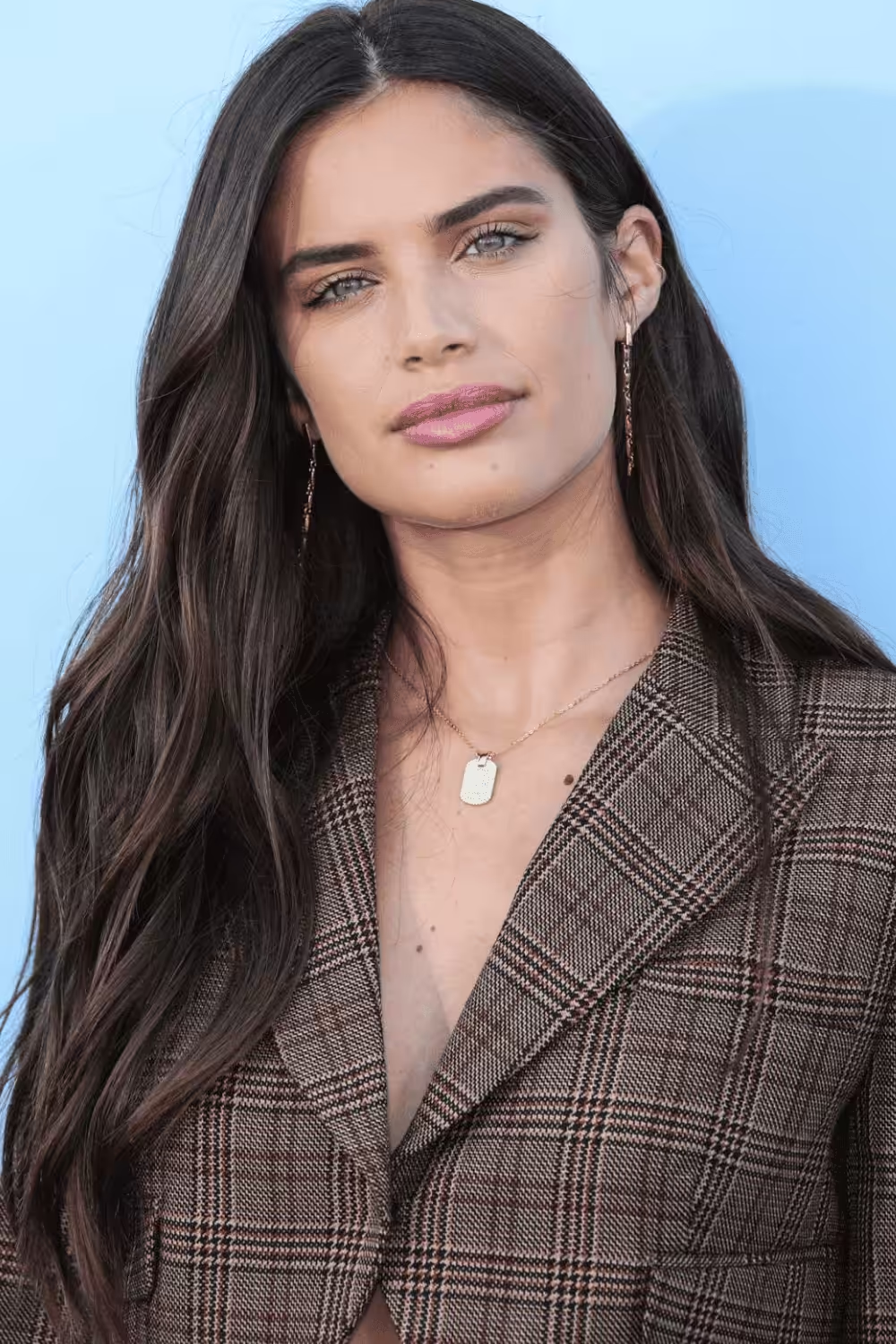
Although such unsaturation is also inherent in the Light Summer color type, they are very different from each other.
The Soft Summer color type features a blend of muted tones and gentle undertones, which create a harmonious and subtle palette.
Soft Summer implies a transition between shades but is very smooth.
The muted color palette does not make the image boring because a combination of colors is allowed.
They are associated with soft grass and delicate flowers, especially violets, and sophistication is clearly visible in the appearance of the Soft Summer.
The basic principle when choosing colors is the golden mean. That is, they should not be either very light or very dark.
- harsh black;
- dark brown;
- fiery red and other defiant colors.
Cool Summer and Soft Summer Colors are selected according to the following principles.
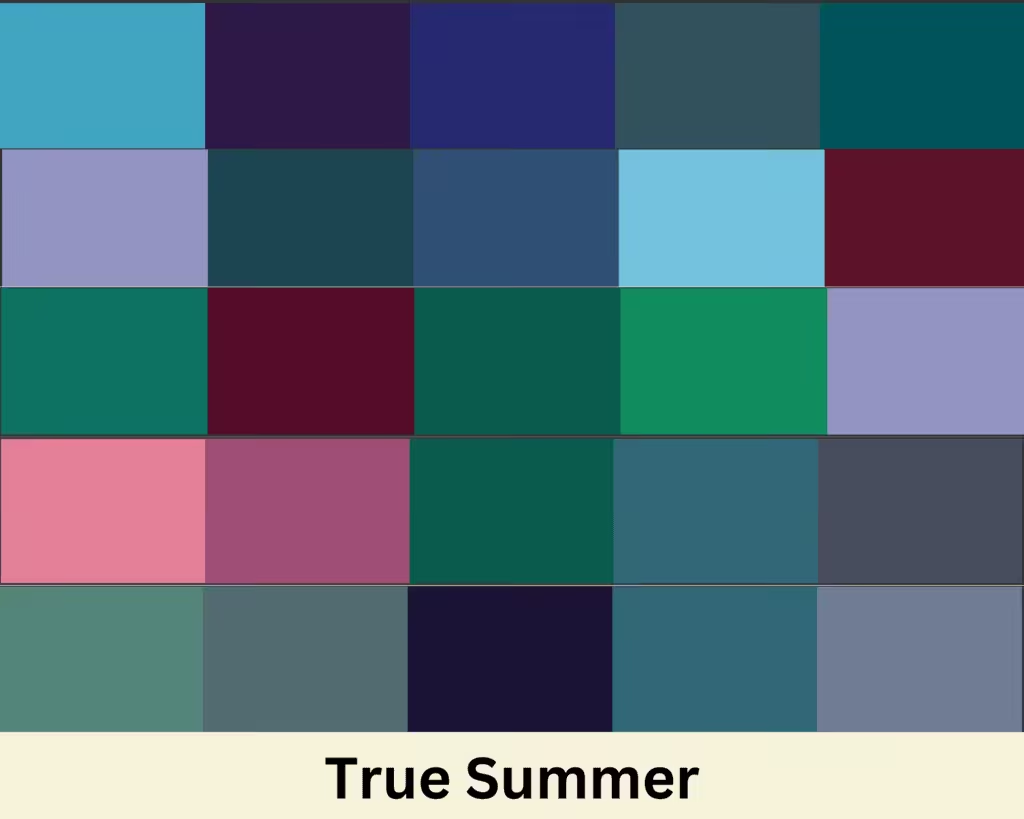
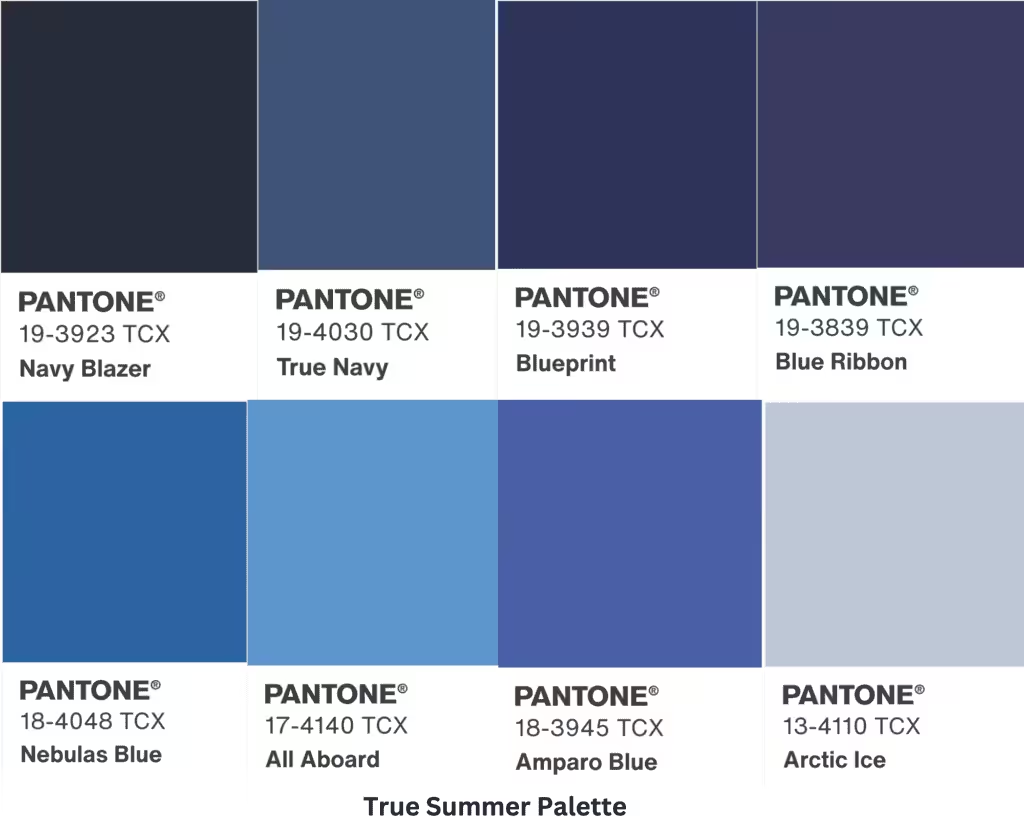
1) The color should be cool or neutral, rather than a pastel shade.
More precisely, it should be no warmer than the skin tone.
I have already discussed this topic in two previous summer color palette articles, where I mentioned that both the Cool summer and Soft summer types are greyed down and somewhat muted.
However, brightness will be different for the Cool and Soft summer types.
For example, pale yellow or dark red looks colder than the skin color of the summer type.
2) The tones should not be neon-bright. Otherwise, the complex multicolor overall look of the summer type will be lost, interrupted, or outshone by one color.
3) Colors should be chosen carefully. The shade is a continuation of the multicolor of this type, and the original color stretches out to a cold palette or a warm one. In this case, it always goes toward the cold trajectory.
You have a huge lilac palette at your disposal: grayish, lilac, brownish – any dimming is welcome.
Dusty pink tones will suit you as well.
Dark and pale red tones will suit the summer type. There are many of them, much more than clean and warm ones. Incorporating these shades can create a vibrant contrast that enhances the natural beauty of the summer type.
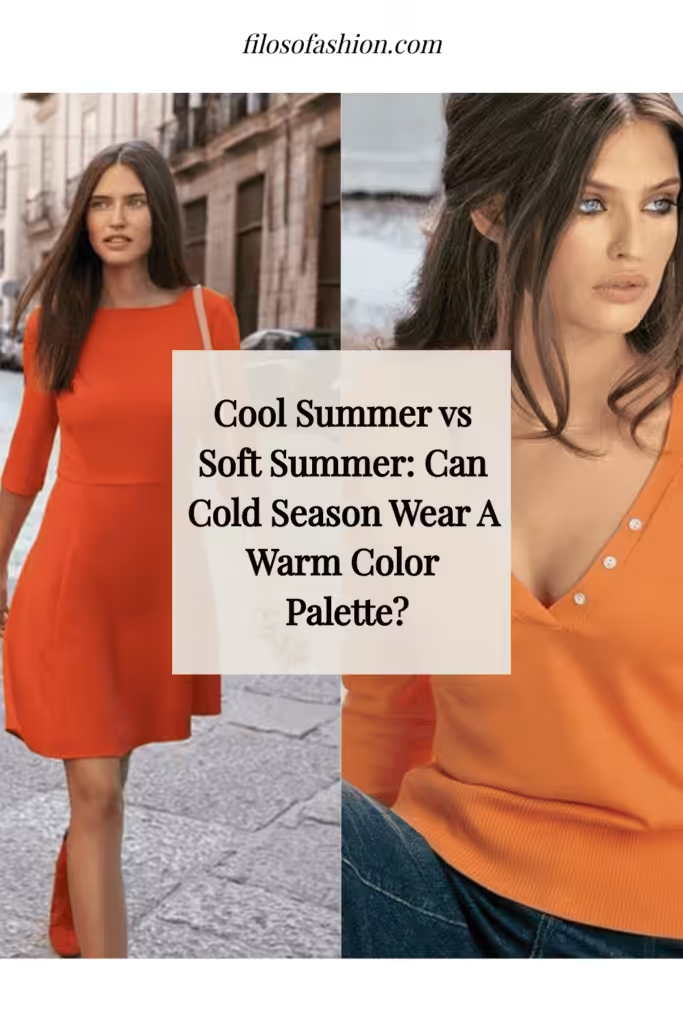
Cool Summer vs Soft Summer: How Can A Cool Type Wear Warm Colors?
Orange color for the summer type
Some people think that orange does not go with the summer color type. But it’s not true.
These tones, with the addition of blue, white, brown, and red, all fit a non-contrasting appearance.
There is a paradox about the orange color because it’s considered and initially represented here as a color you should avoid. And that would be true overall.
So why does orange suit some summer types?
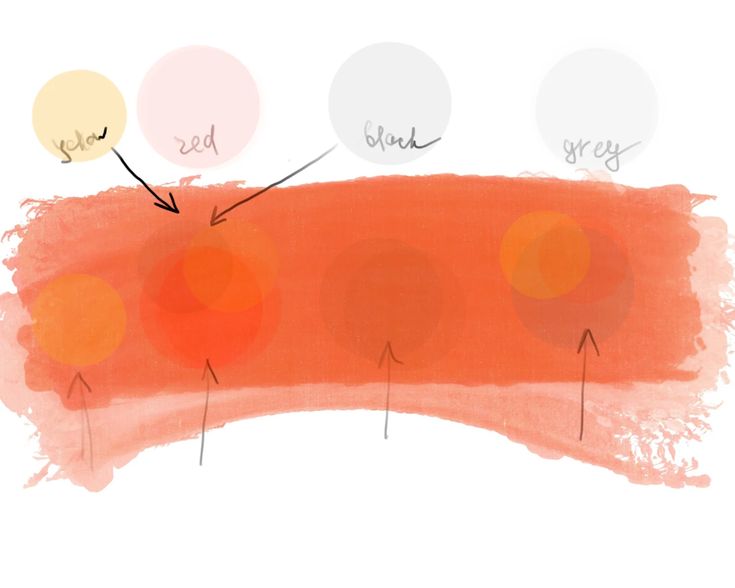
Orange consists of two main colors – yellow and red (both are predominantly warm).
But if you add a third shade to it, like black or white, it will become muted either in the trajectory of light pastel color or muted down to being warm, but the degree will move towards the darkness.
I wouldn’t recommend using it during the time of winter when the skin gets pale and transparently white, but rather for summertime when you get bronzed or your hair gets burnt out a bit.
Or if you tone your hair in a warmer (something like chocolate brown) shade to make the appearance more contrasting.
Then you can use a somewhat warm orange or even pink.
For example, we see a conglomeration of orange and red colors, which on the wheel of colors goes towards the warm trajectory and afterwards comes out in warm orange color.
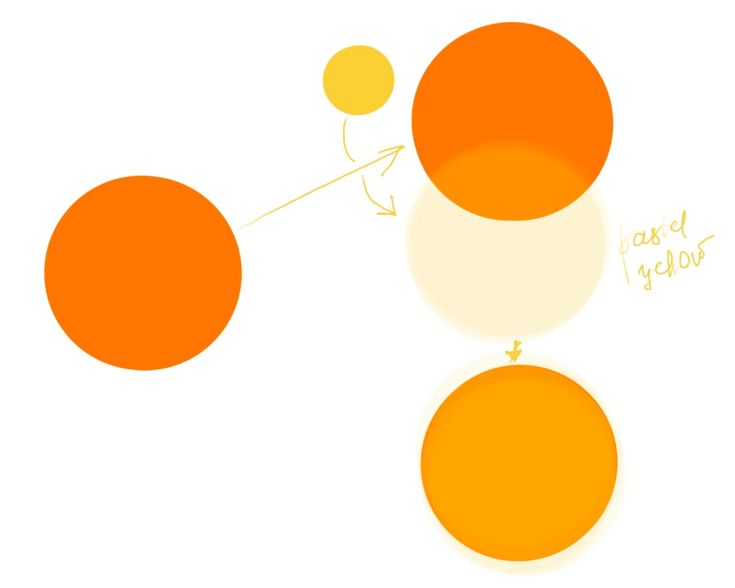
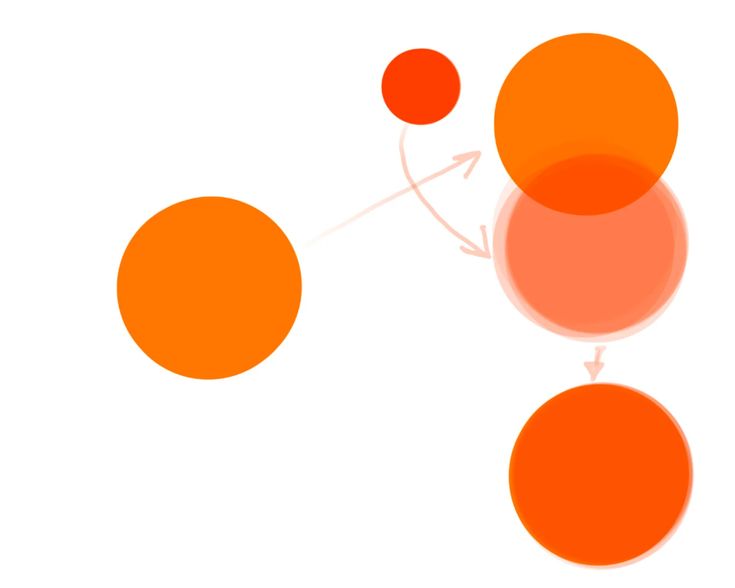
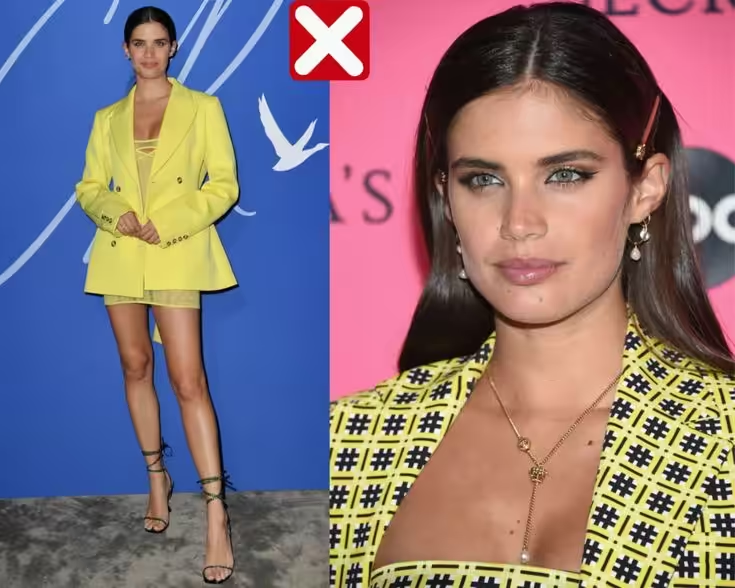
Here we can see Sara Sampaio, who is a Soft Summer by definition.
As she is Soft Summer, she is also at the border of Soft Autumn colors, while Cool Summer isn’t.
She can wear the same orange color regardless of her tan. She looks a bit better with bronzed skin, but at the same time, we can see that it’s also a deep color hair.
In contrast, I also compared orange and warm red colored lipstick.
She’s not tanned in either portrait picture, but the orange lips fit her better.
Orange lipstick looks better because her skin is white with a cool undertone, plus her hair looks black, so it also creates a cool tone conglomeration – just perfect for a Summer type.
On the other hand, the red raspberry lipstick looks too warm; her hair doesn’t look deep enough for it, and even emerald earrings have a warm undertone, for which she requires tanned skin – otherwise, it’s the wrong tonality.
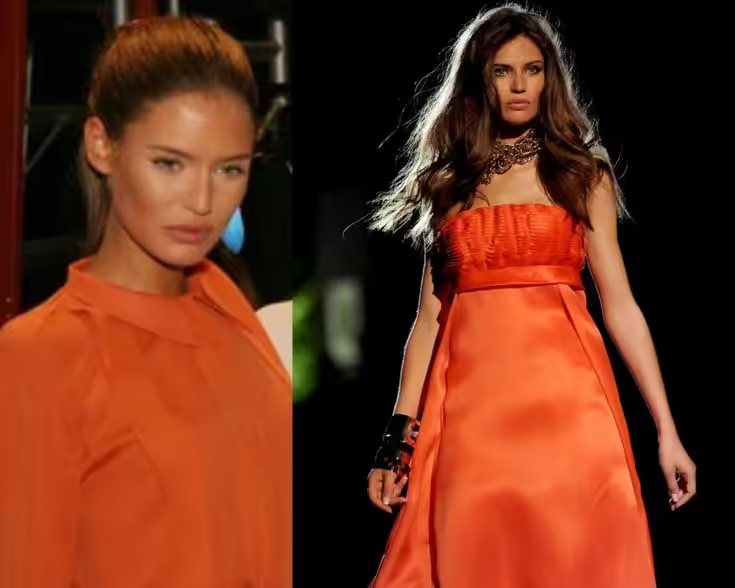
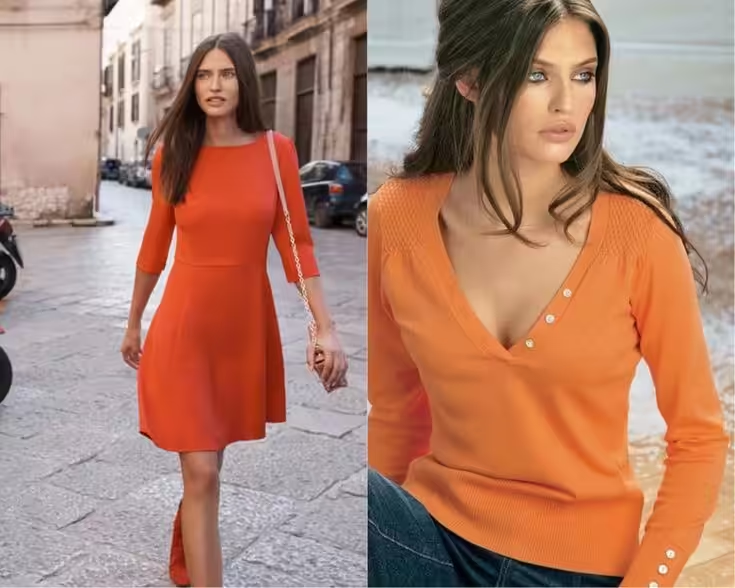
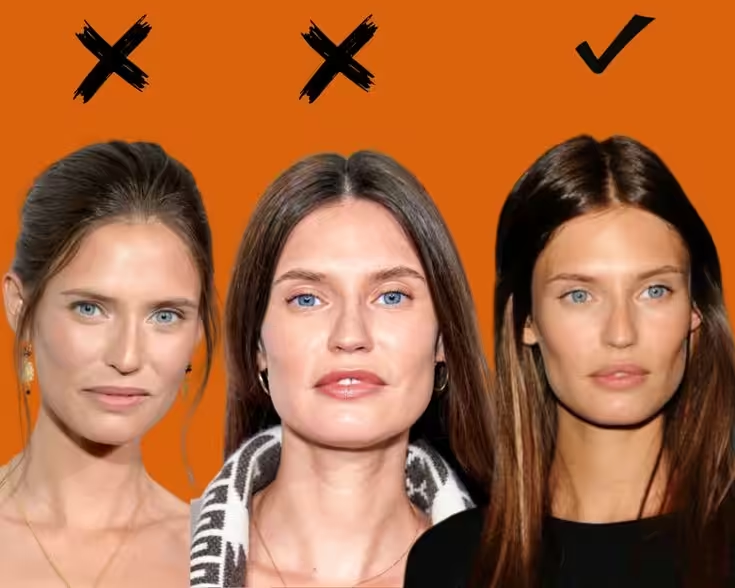
I have taken the same model, Binca Balti, supposedly a Cool Summer, so she would wear cool tones and undertones in her wardrobe.
However, we can clearly see that she can wear warm orange with one condition!
Her skin tone changed due to a supposed summer tan, and there is also a slight difference in her hair tone, which is deep chocolate with a warm undertone.
With a certain skin tonality, you can wear a completely different color palette than your original one.
The other examples are here:
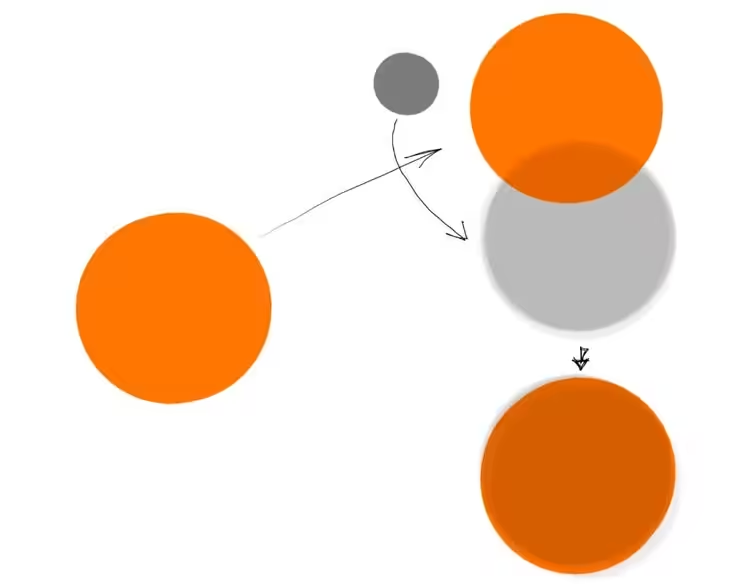
Here we see a conjunction of orange color and grey, which became dark orange, but still in a warm temperature.
We can see that her Cool Summer appearance with pinkish cool white skin and ashy brown/dull hair color does not coincide with this color.
But when we juxtapose tanned skin, it fits like a glow.
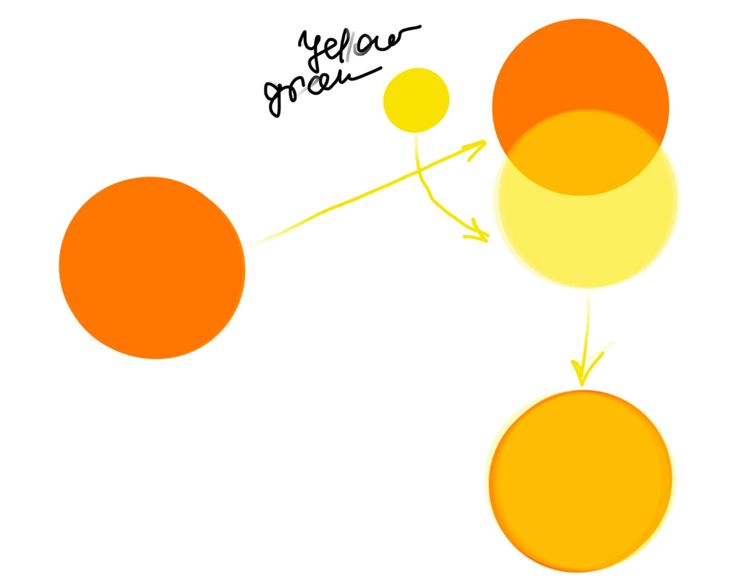
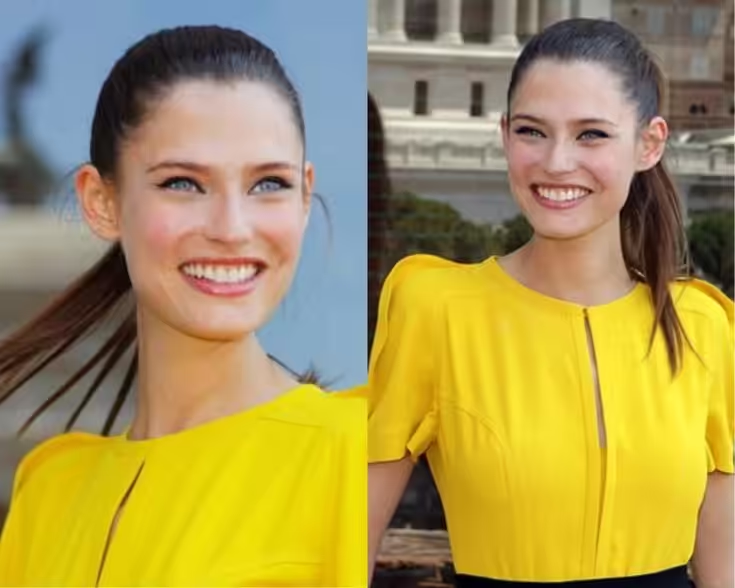
The color became a mustard-like shade with the conjunction of yellow and orange.
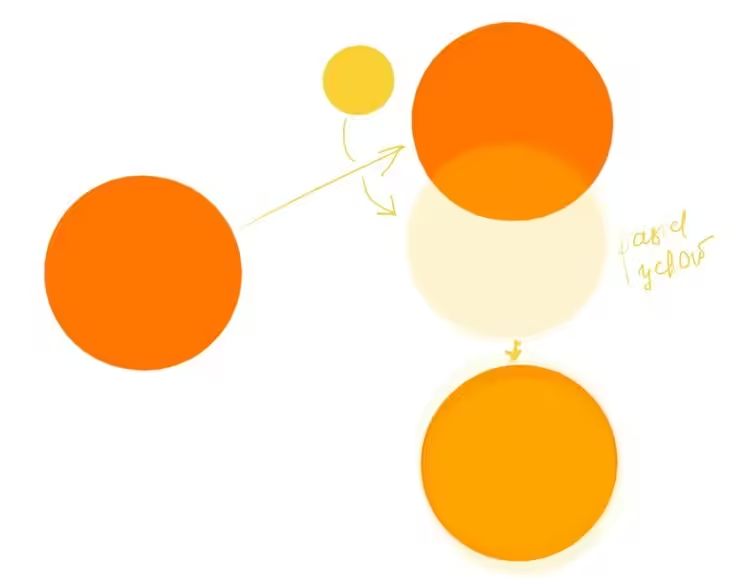
Here it seems to be the same variant of an example as before, but not exactly, because this is the conglomeration of a warm orange color coming backwards to yellow on the wheel of color, so it’s moving to the “dangerous” side of the colors for this model.
The more you move in the direction of the green color on the color wheel, the more you have to be careful with it, and most often, you will have to avoid such conjunctions.
This mixture has a tendency to make you look “sick.”
Here is a mixture of orange and greenish-yellow with examples:
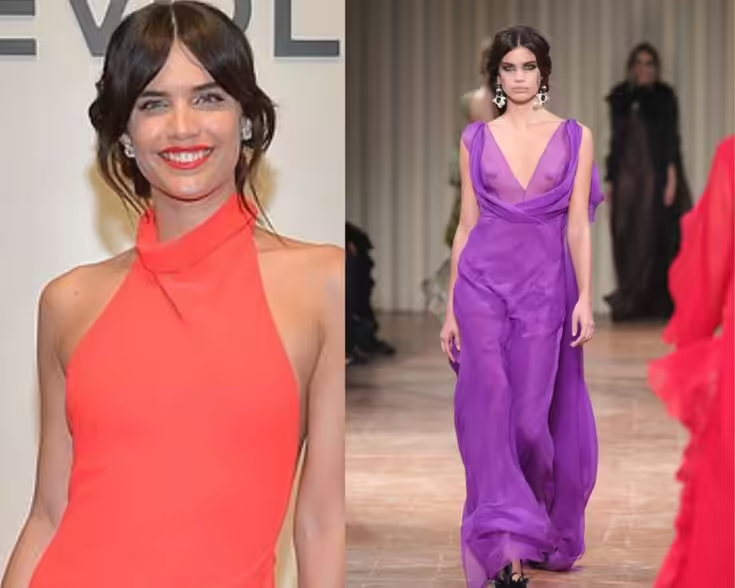
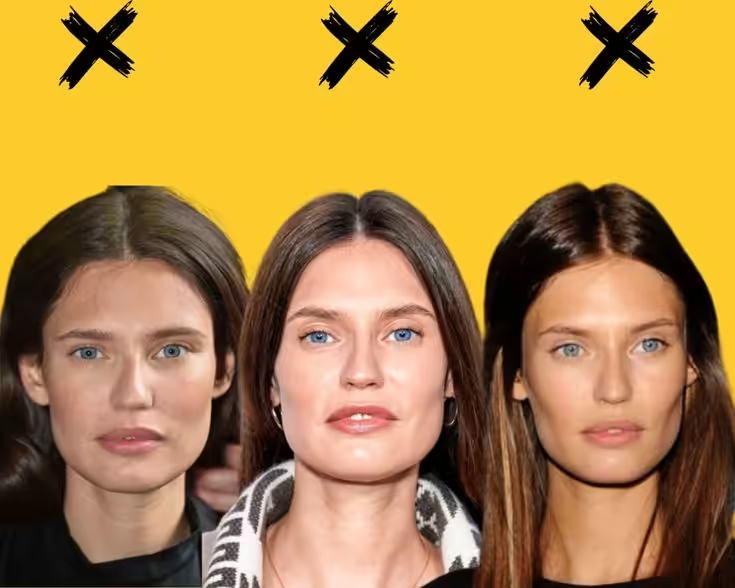
You can clearly see that none of the skin colors fit Bianca.
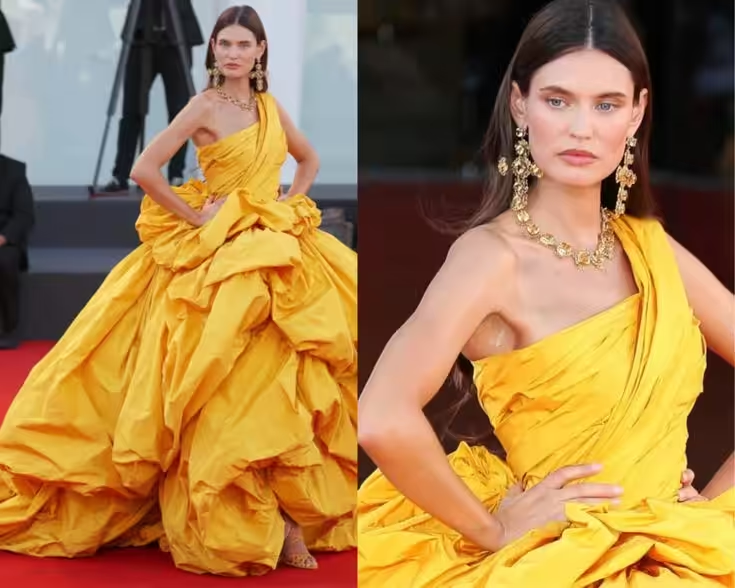
Not even beautifully tanned or with makeup. It’s just not the trajectory of orange and yellow that she can be allowed to move with.
Green shades for the summer color type
Green itself is very different and multifaceted. It can include all the colors of the rainbow.
This is not an exclusive source of shades for representatives of the summer color type.
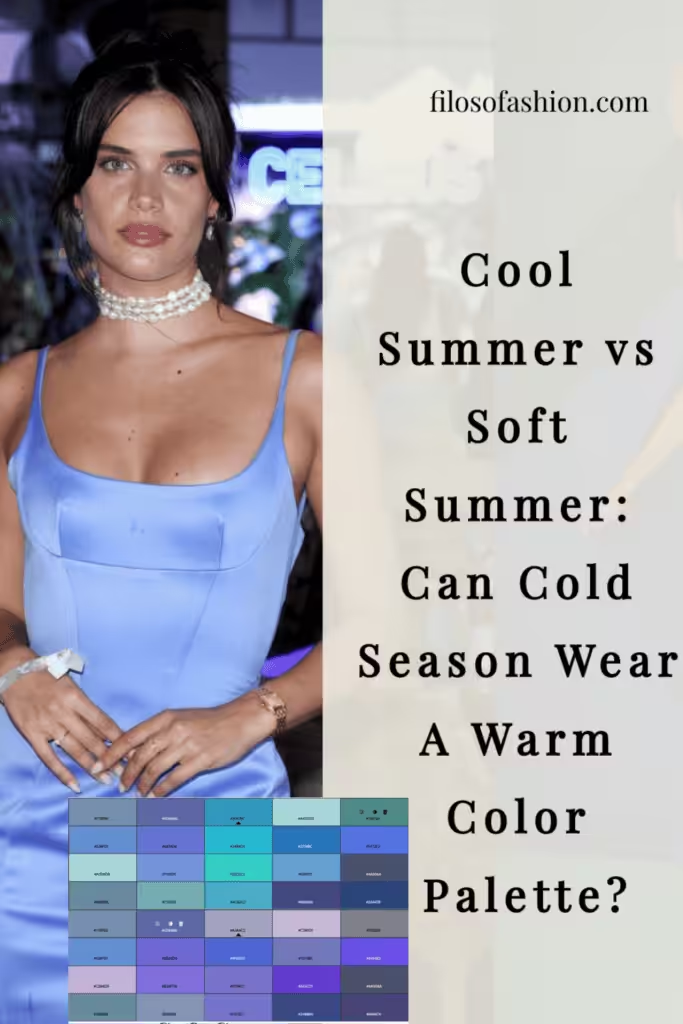
The green, which is closer to blue – you can choose without hesitation (like teal or turquoise).
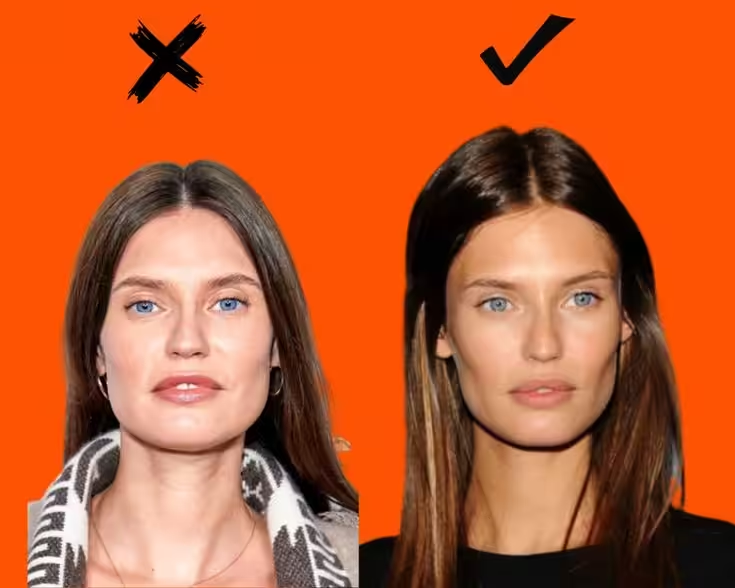
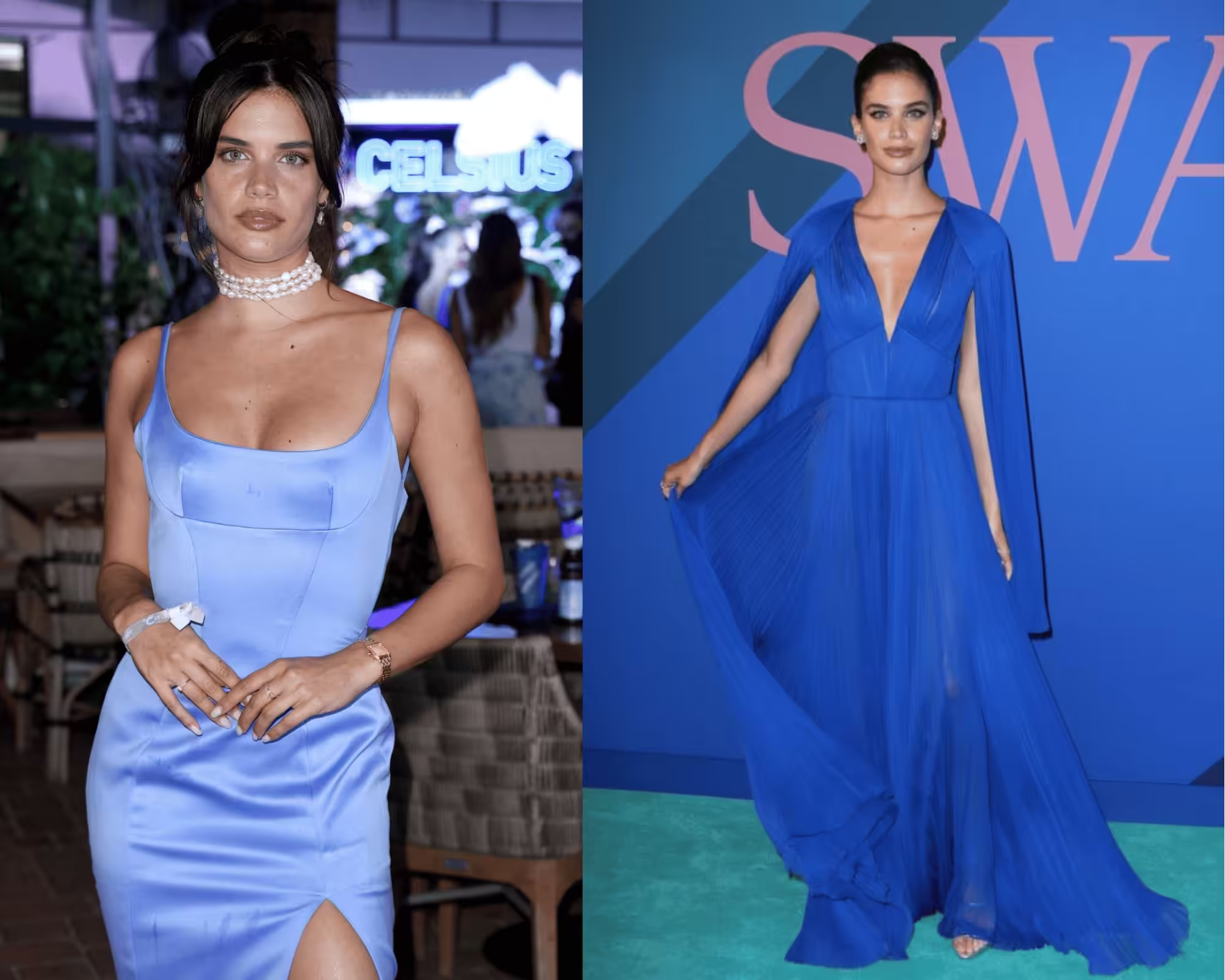
The criterion for choosing tones is closer to yellow: the presence of an admixture of red is olive.
You can see that in the left example, the main color is turquoise, so yellow ( whether it’s mustard yellow or any other yellow) you can still leave for small details.
The most important thing is that the main color and the color near the face is the right matching color to your seasonal palette and skin tone.
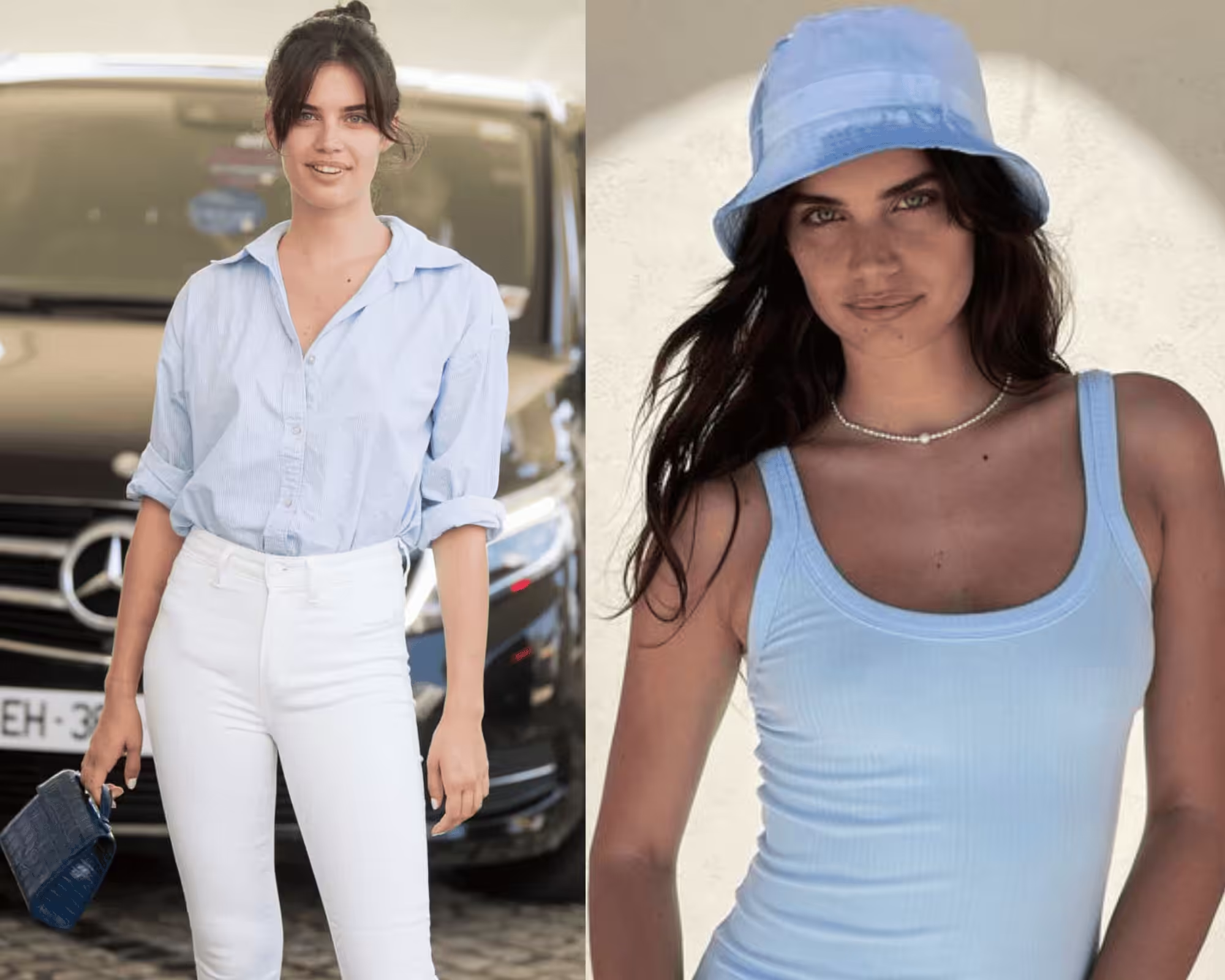
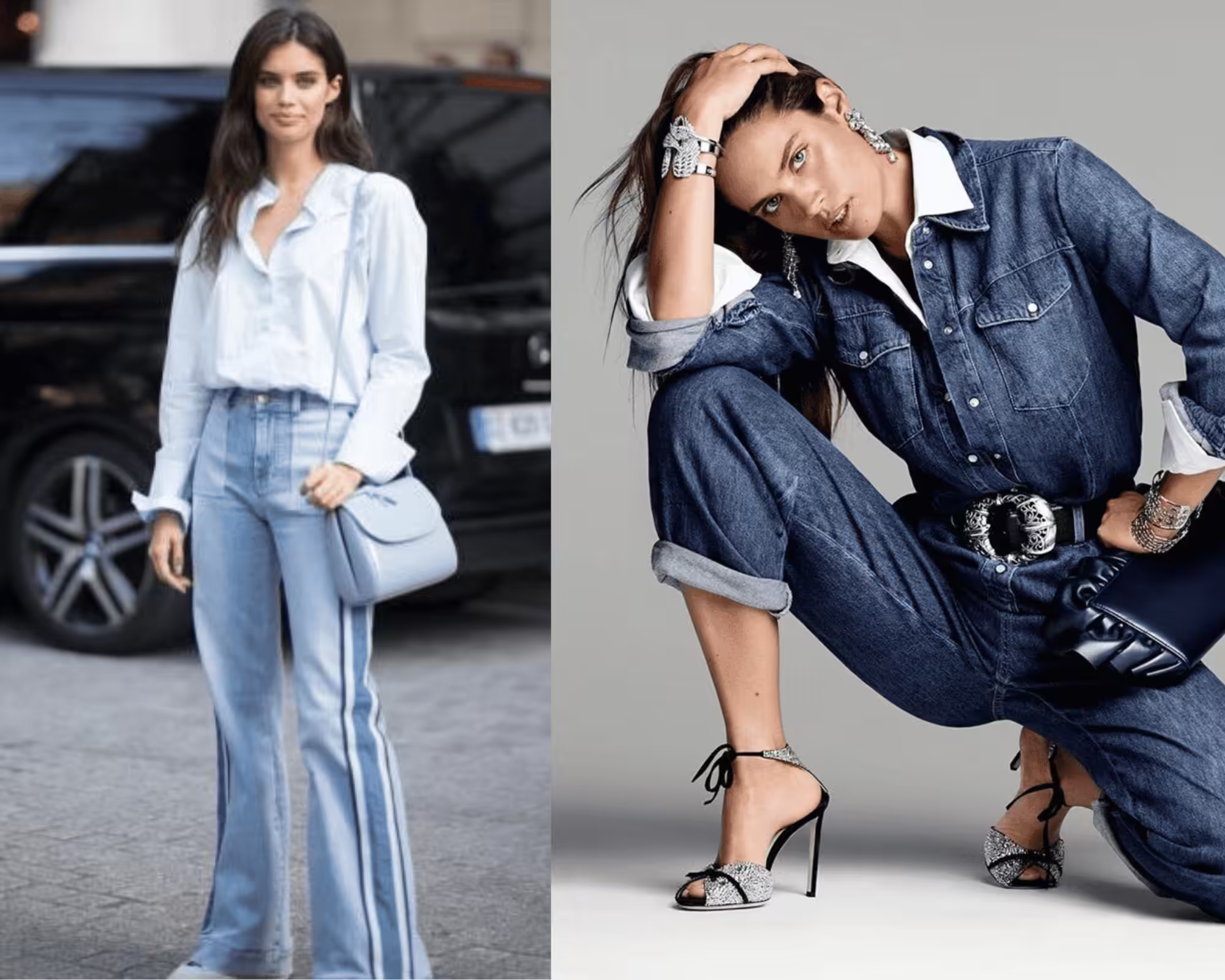
Shades that are ideal for a Summer wardrobe
White and black. It is allowed to use one of these colors or their combination with each other.
Both white and black must be combined in a smaller pattern to create a dissemination of colors into a grey-ish.
Blue. It is advised to be the main one in the wardrobe of the Summer color type.
It is better to wear clothes, not in pure blue, but, for example, blue-gray, indigo, denim shades, and others that are pastel-shaded.
Red. Depends on what shade of red it is – here, you need to be really careful because if it’s too bright, it can “eat” you.
If you are not sure about the tonality of such clothes, then it’s better to keep only one detail in the image, for example, a red skirt, cherry-shaded lipstick, and all other parts are delicate.
Shades of red look favorable: ripe cherries, fuchsias, raspberries, watermelon red.
Green, yellow, brown, and purple. For the Summer color type, it is necessary to prefer cold shades of these colors.
The most unfortunate shades for the Summer color type are:
– dark yellow gold
– scarlet and other sharp or warm colors (depending on each person individually, as it was already mentioned above in the “Orange” section).